Retirement looks different for every Canadian. Some dream of stepping away from the 9-to-5 in their 50s, while others plan to continue working well into their 70s. But when we talk about the early retirement age in Canada, the question is really: When can you actually afford to stop working – and what do government rules allow?
Canada doesn’t have a single “official” retirement age. Instead, it depends on which source of retirement income you’re relying on.
A pension you earn through working and making contributions.
The more you earn and contribute during your working years (up to the annual CPP maximum), the larger your CPP payment.
You can start as early as age 60 or delay until 70.
Your benefit amount depends on how much you contributed over your career.
A pension you typically qualify for simply by living in Canada long enough (10+ years after age 18).
Everyone gets roughly the same amount regardless of work history.
You can only start at age 65 (no early option).
Can be clawed back if your retirement income is too high.
Age 55: Workplace Pension Plans
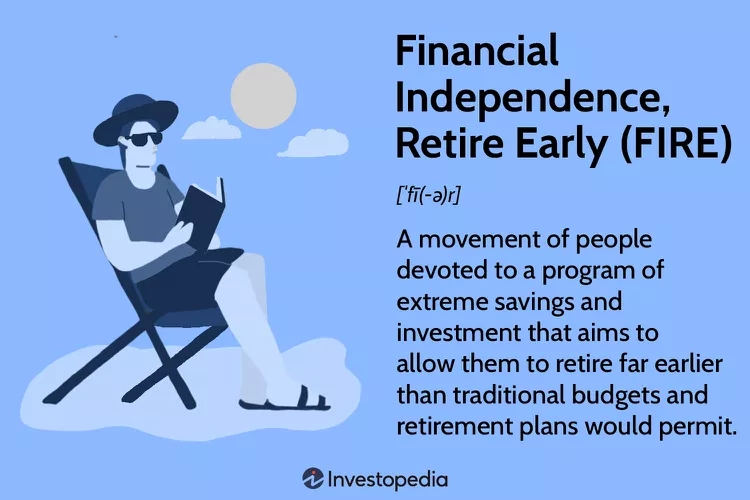
Want to learn how to reach financial independence or retire earlier (FI/RE)? We explore this and more in detail in the latter half of this section.
For example, if your CPP benefit at 65 would be $1,000/month, taking it at 60 drops it to $640/month — for life.
Retirement Planning Made Easy With Private
Real Estate Investments
You’re starting 60 months (5 years) early
60 months × 0.6% = 36% reduction
If your age-65 benefit would be $1,000/month, you’ll get $640/month instead
This reduction is permanent – it doesn’t go back up when you turn 65
You’re starting 36 months (3 years) early
36 months × 0.6% = 21.6% reduction
$1,000 benefit becomes $784/month
You’re delaying 60 months (5 years)
60 months × 0.6% = 36% increase
$1,000 benefit becomes $1,360/month
You need income right away to bridge the gap to workplace pensions or savings.
You plan to stop working at 60 and don’t want to dip heavily into RRSPs or TFSAs.
Unlike CPP, you cannot start OAS early.
If you retire at 60 and take CPP, you’ll have a 5-year gap until OAS begins. Many Canadians use RRSP withdrawals, TFSA savings, or rental income to cover this period.
If you have little or no employment income during these years, RRSP withdrawals can be relatively tax-efficient. A $35,000 RRSP withdrawal combined with $7,680 CPP (if taking at 60) keeps you under $43,000 total income – well within lower tax brackets in most provinces. Compare this to withdrawing the same amount at age 70 when you’d also have CPP, OAS, and possibly workplace pension income.
The gold standard for early retirement because they’re completely tax-free and don’t affect government benefits. If you’ve been maxing out TFSA contributions since 2009, you could have $95,000+ in contribution room (not counting growth). This can provide several years of tax-free retirement income.
Many early retirees use a mix – TFSAs for essential expenses to keep taxable income low, then strategic RRSP withdrawals to fill out lower tax brackets.
Federal and provincial public sector workers often have defined benefit plans allowing retirement between 55–60, sometimes with “unreduced pensions” if service requirements are met.
In the private sector, rules vary. Some allow retirement at 55, others require you to wait until 60, or impose actuarial reductions for leaving early.
Teachers, nurses, and unionized professions often have special pension arrangements. For example, many teachers’ pensions allow retirement in the late 50s with a reduced benefit.
For Canadians without a generous workplace pension – or for those aiming to retire even earlier than 55 – government programs alone won’t cut it.
If you’ve built up significant personal savings, you can technically retire at any age. The challenge is ensuring your money lasts.
RRSPs: Tax-deferred savings, accessible anytime but taxed as income when withdrawn.
TFSAs: Tax-free withdrawals, extremely useful for early retirees.
Non-registered investments: Stocks, ETFs, dividends, bonds, and alternative investments.
With rising housing costs, job stress, and uncertainty around government pensions, many Canadians want greater control over their time and financial future. FI/RE may offer:
Flexibility: You’re not tied to working until 65.
Freedom: The option to travel, pursue passion projects, or even semi-retire.
Security: A financial cushion that protects against unexpected events.
There’s no one-size-fits-all FI/RE path. The most common variations are:
Lean FI/RE: Living frugally and retiring with a modest lifestyle.
Fat FI/RE: Retiring with a larger income cushion to maintain comfort.
Barista FI/RE: Leaving your primary career but taking part-time or passion-driven work to supplement income.
Retiring decades earlier than average is harder in Canada because of:
High housing and living costs in major cities.
Taxes on investment income, which can erode savings.
Delayed government benefits (CPP at 60 earliest, OAS at 65), meaning you must self-fund for years.
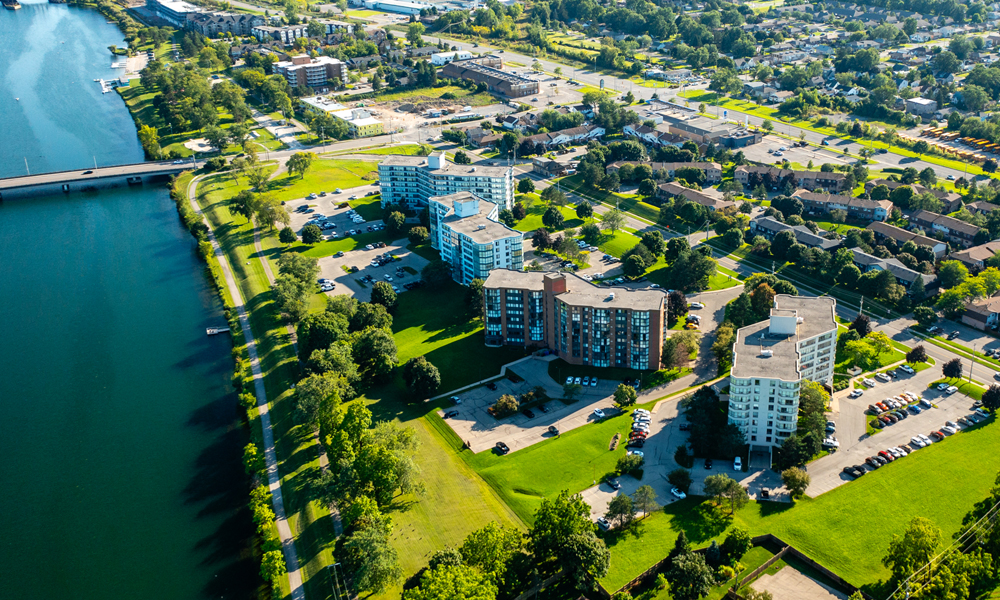
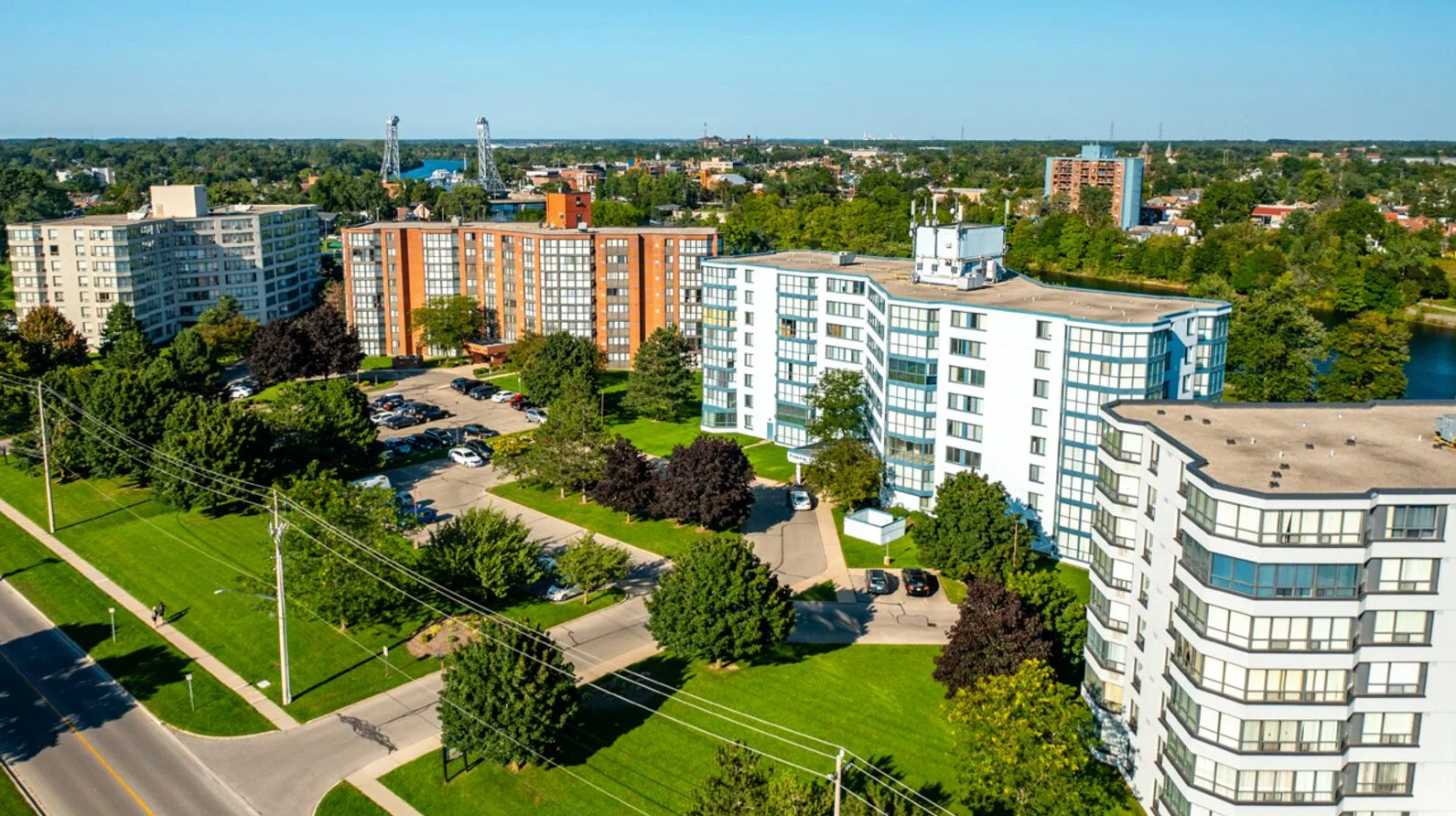
One of the most powerful tools for early retirement in Canada is real estate investing. Unlike CPP or OAS, which require waiting until your 60s, real estate income can start generating cash flow at any age.
Owning rental properties: Monthly rental income can cover expenses and create long-term equity growth.
Private Real Estate Investment Funds: Hands-off investments in large-scale residential and commercial real estate, offering targeted monthly distributions.
Commercial real estate: Long-term leases with professional tenants can provide monthly income.
Stocks and equity ETFs: Long-term growth potential and dividend income
Bonds and fixed income: Historical stability and predictable interest payments
Mutual funds: Professional management and instant diversification
GICs (Guaranteed Investment Certificates): Capital protection typically with modest returns
Real estate: Rental income and appreciation potential
Private Real Estate Funds: Real estate exposure without property management responsibilities
Dividend-focused portfolios: Owning stocks that target regular dividend payments
Index funds: Low-cost, passive market exposure
Alternative investments: Private equity, infrastructure funds, or lending platforms
Most financial advisors recommend a balanced approach rather than being fully invested in one asset class. The right mix depends on your circumstances and is affected by things such as your age, risk tolerance, income needs, and timeline to retirement.
Retirement Planning Made Easy With Private
Real Estate Investments









































Q1 2024 Commentary and Outlook – A Turning Point for Rentals?